Fukuzumiro
福住楼Registered Tangible Cultural Property, 2003
- Say it
- foo·
koo· zoo· mee· roh - Also written
- Fukuzumi-ro, Fukuzumirou, Fukuzumi Ro
About Fukuzumiro
A three-storey wooden ryokan on the Hayakawa gorge in Tonosawa, founded in 1890 and a registered tangible cultural property. Kaiseki is served in your room, and all but one of the 17 rooms share baths and toilets.
- Shared bathsHot-spring bathsIndoor · 15:00–9:30
- Bath in your roomThe Sakura 2 roomIndoor
- Private bath3 baths to bookBook at check-in
- TattoosAllowed
- MealsDinner and breakfast, or breakfast onlyKaiseki dinner · In your room
- Dietary needsAllergies, dislikes and vegetarianAdd it when you book
- ChildrenAll agesAdult rate from 5
- Check-inCheck-in 15:00–18:00Check-out 10:00
- Getting there15 min walk from Hakone-Yumoto Station
Good to know before you book
- No bath or toilet in 16 of the 17 roomsOnly Sakura 2 has its own bath and toilet; the other rooms use shared baths and the toilets down the corridor.
- Three storeys, no liftThe building has three floors of rooms and no lift.
- The baths close from 9:30 to 15:00The shared baths are closed for cleaning between 9:30 and 15:00.
- Rooms
- 17, every one different
- Building
- A sukiya-style wooden ryokan of three storeys, a registered tangible cultural property
Rooms and their baths
- Indoor bath
Sakura 2, the special room
Lie-down bath and toilet in the room
River side, 1st floor. Members of the imperial family stayed here in the Meiji era
- Shared baths
Sakura 1
No bath or toilet in the room; use the shared baths
River side, 1st floor
- Shared baths
Take 3
No bath or toilet in the room; use the shared baths
River side, 1st floor. Closed for renovation
- Shared baths
Ume 1
No bath or toilet in the room; use the shared baths
River side, 1st floor
- Shared baths
Ume 2
No bath or toilet in the room; use the shared baths
River side, 1st floor. At the centre of the ryokan, nearest the basement baths
- Shared baths
Seseragi
No bath or toilet in the room; use the shared baths
River side, 2nd floor
The fine print
Last checked November 12, 2026.
- Shared baths
Hot-spring baths. Indoor. 15:00–9:30.
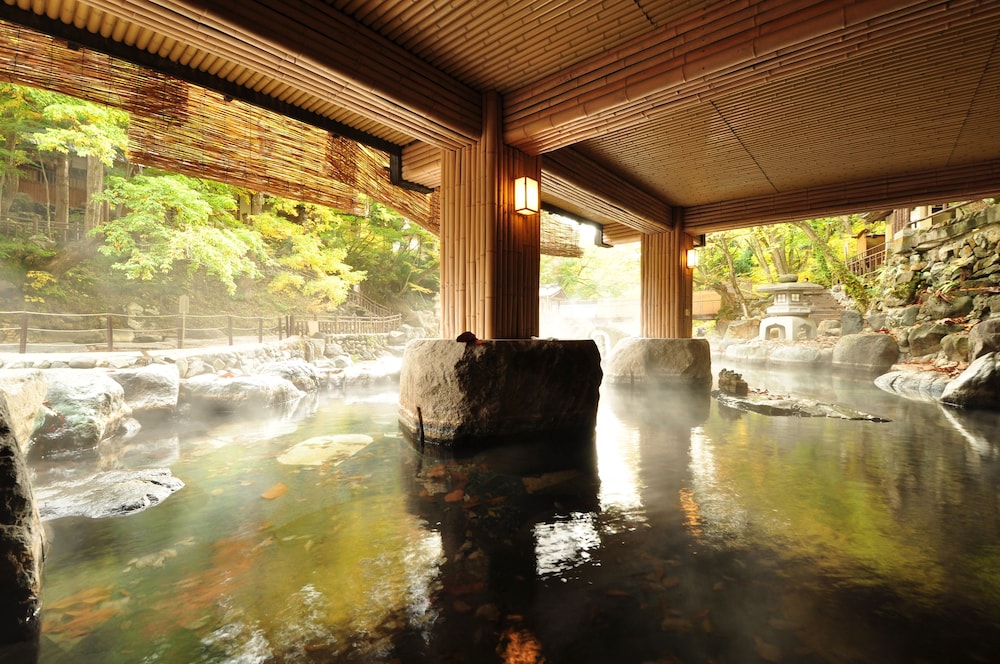
The Daimaru bath, cut from a pine trunk, and a rock bath; men's and women's swap at 19:00. Yumoto No. 37 spring, flowing 24 hours.
- Bath in your room
The Sakura 2 room. Indoor.
A lie-down bath.
- Private bath
3 baths to book. Book at check-in.
Komaru, the family bath and the lie-down bath, 15:00 to 9:30, in order of arrival.
- Tattoos
Allowed.
- Meals
Dinner and breakfast, or breakfast only. Kaiseki dinner. In your room.
Seafood-led. Groups in several rooms may eat in the banquet hall.
- Dietary needs
Allergies, dislikes and vegetarian. Add it when you book.
It can't make baby food but will warm yours.
- Children
All ages. Adult rate from 5.
Futons only, no cribs.
- Check-in
Check-in 15:00–18:00. Check-out 10:00.
Arrive by 18:00 with dinner. Bags are held before check-in.
- Getting there
15 min walk from Hakone-Yumoto Station.
Or the shared orange minibus, Tonosawa line, ¥200.
Meals
- Dinner
- Seafood-led kaiseki in your room, from 18:00. The basic course has eleven dishes
- Breakfast
- Japanese, in your room, from 8:00
- Groups
- Several rooms on one booking may be served together in the banquet hall if no room is big enough
- Rice
- Japanese Koshihikari
Who it suits
- Suits
- Guests drawn to the building: bamboo ceilings, Kitayama cedar and bat carvings. Several rooms are tied to the writers who stayed in them
- Less suited
- Anyone who needs a bath or toilet in the room, which only Sakura 2 has, or who can't manage stairs
- Smoking
- Not fully non-smoking; rooms are deodorised on request
History
- 1890
Founded in Tonosawa, one of the seven springs of Hakone.
- Meiji era
Members of the imperial family stay in the room now called Sakura 2.
- 1910
The Hayakawa flood washes the first building away. The ryokan reopens that December 200 m downstream in Senshinro Tamanoyu, an older building from the early Meiji era that it had bought.
- Past guests
Fukuzawa Yukichi, Natsume Soseki, Shimazaki Toson, Osaragi Jiro, Kawai Gyokudo and Bando Tsumasaburo, each with a favourite room.
- 2019
Featured in BS Asahi's programme Hyakunen Meika, in February.
- 2020
Bar Kikyo, named for the novel Osaragi Jiro wrote here, closes in April and has stayed closed.
- Today
A registered tangible cultural property, noted above all for its bamboo: smoked, square and black bamboo in coffered ceilings. ICOMOS Japan names it among the large wooden ryokan of Hakone in its 20 twentieth-century heritage sites.
More ryokan in Hakone
From $812 a night for 2, before taxes
See rooms and rates at Gora KadanGora
Tensui Saryo 天翠茶寮
A few minutes' walk from Gora Station, with a free-flowing open-air bath of cloudy Owakudani spring water and a private bath facing Mt Myojogatake.
From $193 a night for 2, before taxes
See rooms and rates at Tensui SaryoGora
Gora Hanaougi 強羅花扇
Every room at this Gora ryokan has its own open-air bath of free-flowing hot-spring water.
From $615 a night for 2, before taxes
See rooms and rates at Gora HanaougiGora
Gora Kansuiro 強羅環翠楼
The former Hakone villa of the Iwasaki family, founders of Mitsubishi, has been a ryokan since 1949.
From $351 a night for 2, before taxes
See rooms and rates at Gora KansuiroKowakudani
Hakone Kowakien Mikawaya Ryokan 箱根小涌園 三河屋旅館
A ryokan since 1883, with a wooden main building that is a registered tangible cultural property and a room where Sun Yat-sen stayed.
From $422 a night for 2, before taxes
See rooms and rates at Hakone Kowakien Mikawaya RyokanKowakudani
Hakone Kowakien Tenyu 箱根小涌園 天悠
A Hakone ryokan run by Fujita Kanko where every room has its own open-air hot-spring bath in a stoneware tub.
From $398 a night for 2, before taxes
See rooms and rates at Hakone Kowakien Tenyu
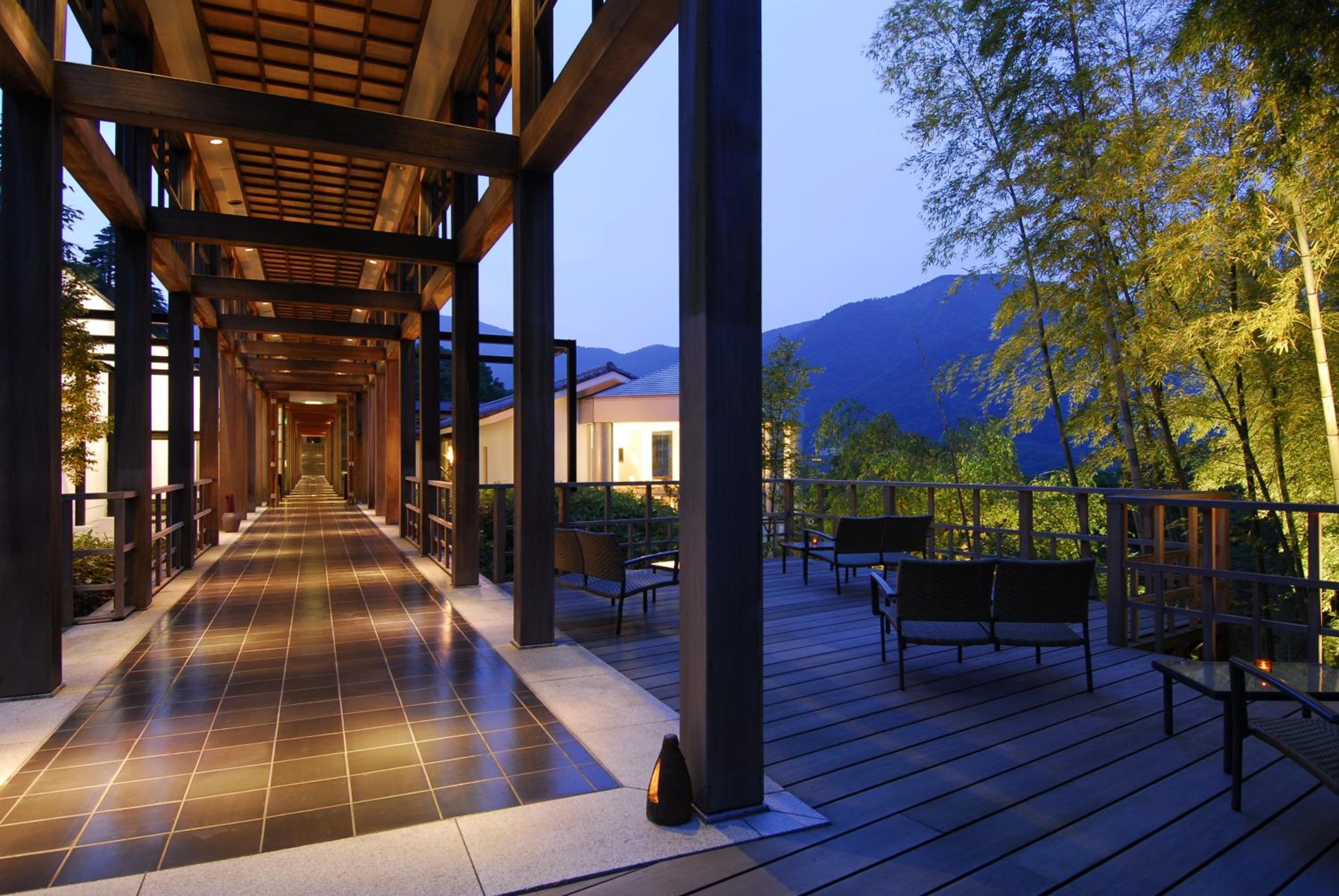

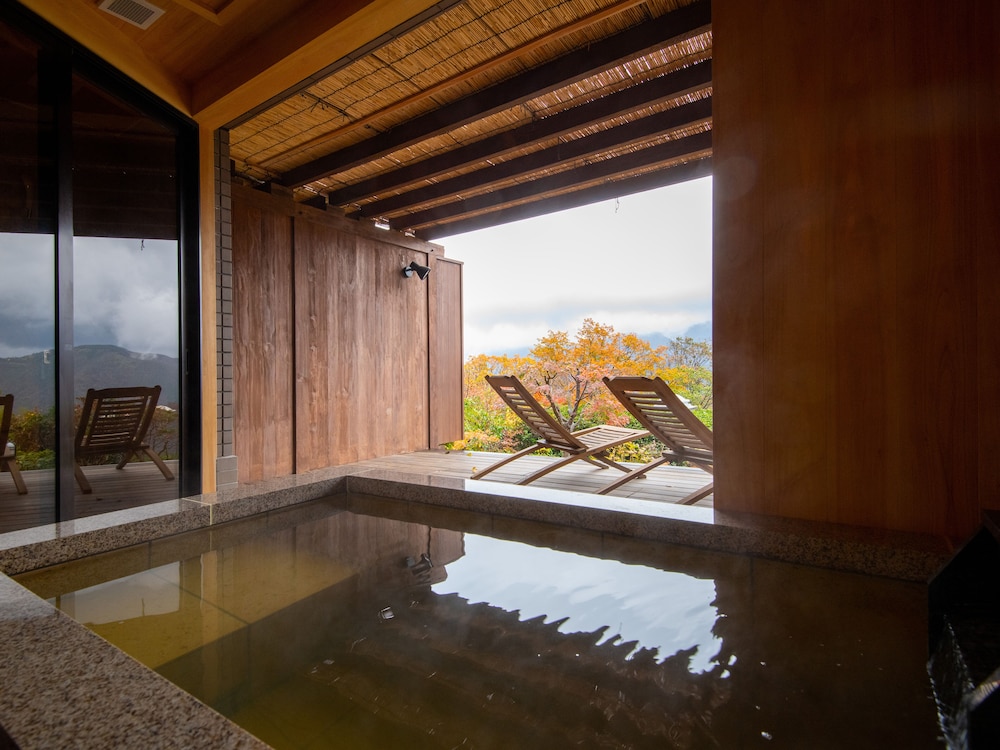
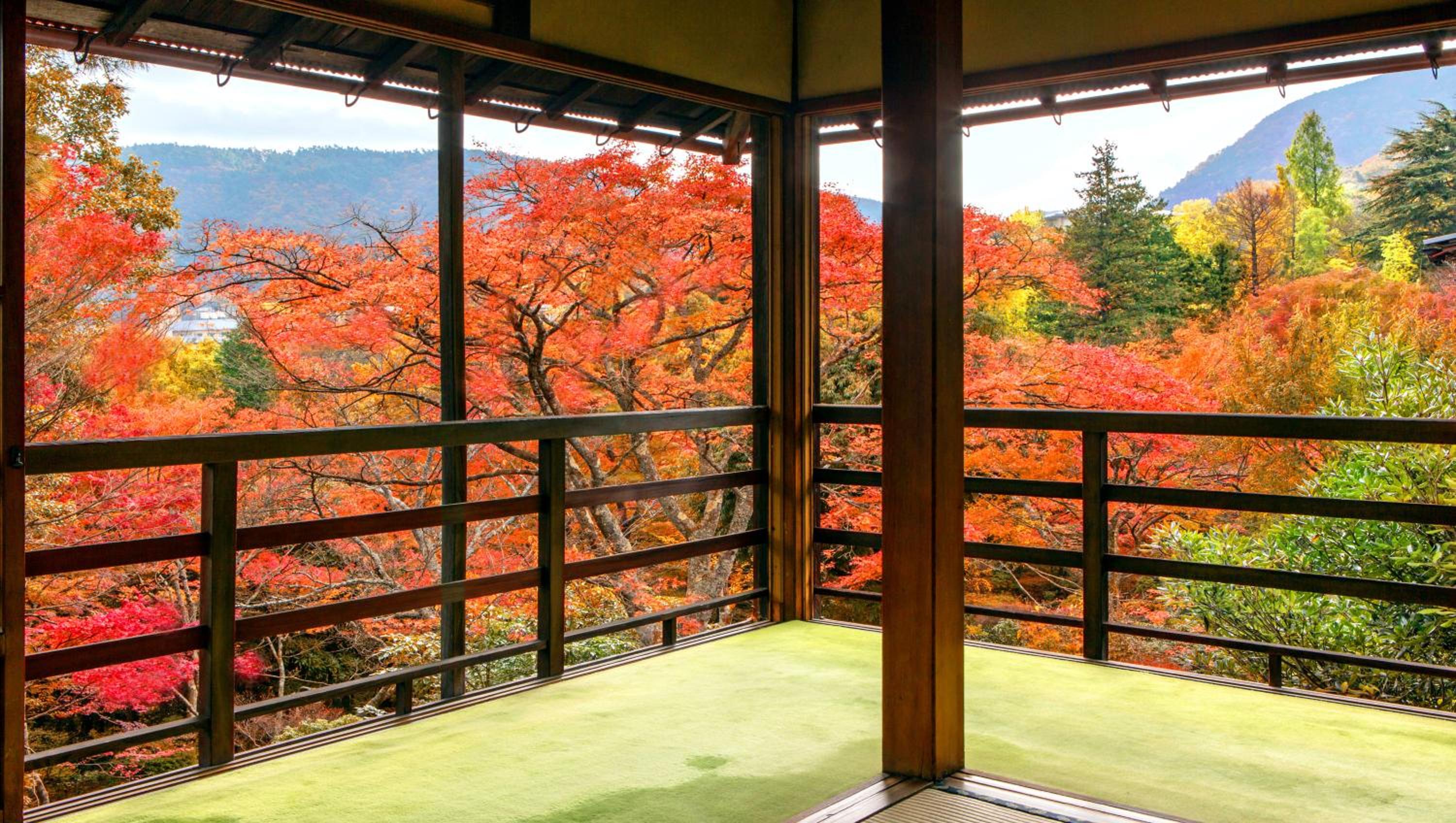


Every one we list there, in order: Hakone ryokan
Ryokan elsewhere to compare
Minakami
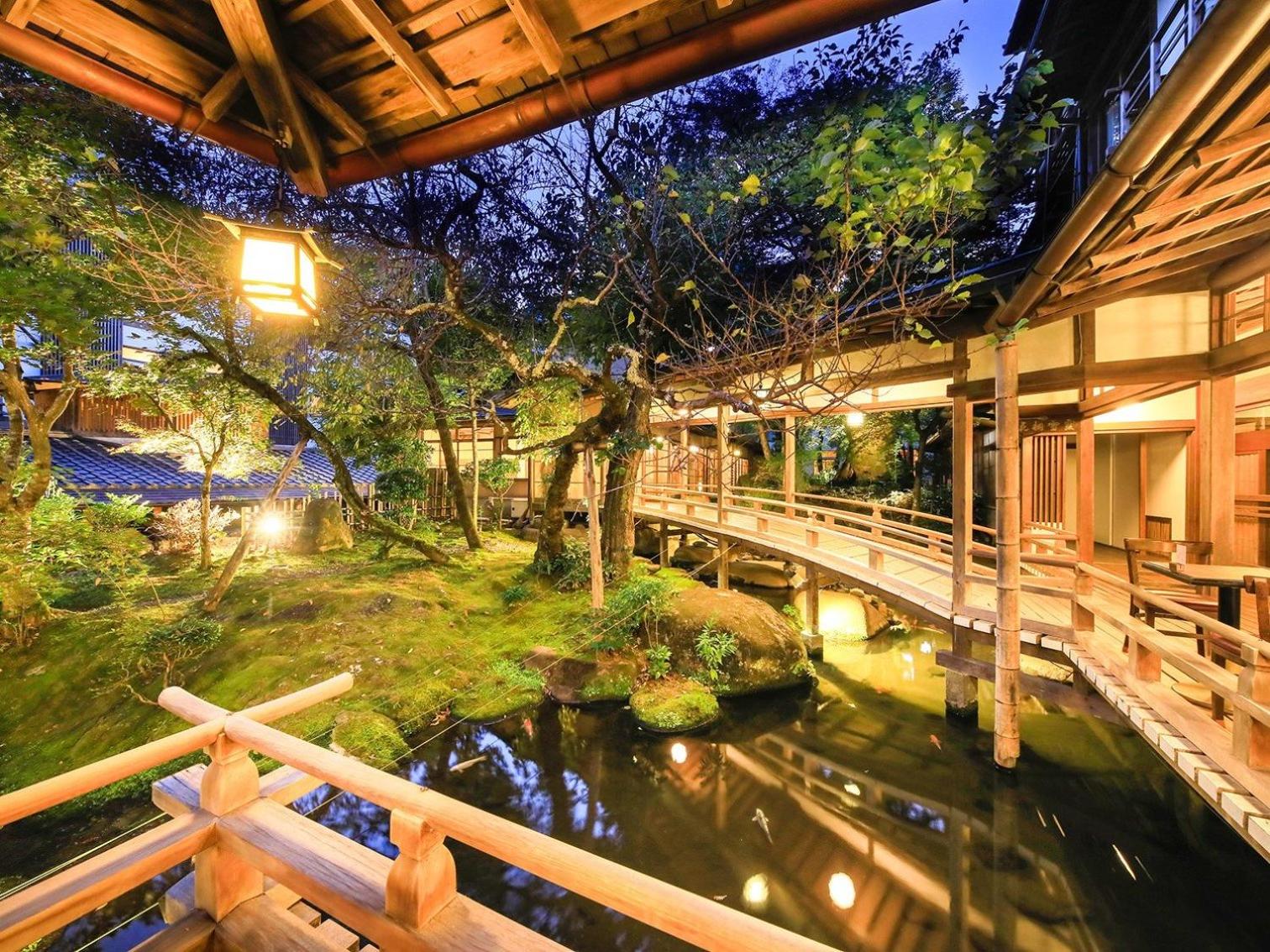
Takaragawa Onsen Osenkaku
Also has rooms with their own bath, in Minakami, another mountain and lake resort, at about the same price.

Questions
Is there a bath in the room at Fukuzumiro?
Only in Sakura 2, which has a lie-down bath and a toilet. The other 16 rooms use the shared baths and toilets; the ryokan keeps them out of the rooms to protect the wooden building from damp.
Is Fukuzumiro a cultural property?
Yes. It is a registered tangible cultural property, a sukiya-style wooden ryokan known for its bamboo work. The ryokan was founded in 1890 and moved into its present building in 1910.
Is dinner served in the room?
Yes. Kaiseki dinner is served in your room from 18:00 and breakfast from 8:00. A group in several rooms may be served together in the banquet hall.
Is there a lift?
No. The building has three storeys and no lift, and two of the 17 rooms are on the third floor besides the closed Kiri 6.
Is Fukuzumiro non-smoking?
Not fully. The ryokan deodorises a room on request.